
The Quiet Revolution of the Playful Mind
In the traditional landscape of the writing workshop, there is often a heavy, almost sacred silence. Writers sit in circles, clutching manuscripts, waiting for the clinical dissection of their prose. While this rigor has its place, a quiet revolution is taking root in modern creative spaces—one that replaces the sterile critique with the vibrant, tactile energy of play. At Sock Puppet Theatre, we have observed a profound shift: when writers are encouraged to step away from the keyboard and engage in playful character work, the stories they produce become more honest, more daring, and infinitely more alive.
This approach highlights how returning to basics and using simple storytelling techniques can often lead to the most profound and expansive narrative breakthroughs.
Reflecting on the evolution of storytelling, it becomes clear that we often lose our most authentic voices when we try too hard to be ‘writers.’ We get caught in the mechanics of syntax and the anxiety of influence. However, when we introduce the element of play—specifically through the use of externalized characters and physical proxies—the ego begins to recede. The writer is no longer performing; they are discovering.
The Psychology of the Proxy: Stepping Out of the Self
Why does a simple sock puppet or a physical character exercise change the way a novelist approaches a scene? The answer lies in the concept of creative distance. When a writer projects their thoughts onto a physical object, they create a safe psychological space between themselves and the narrative. This distance is where the magic happens.
Breaking the Barrier of Self-Consciousness
In a modern workshop setting, character work allows writers to experiment with voices that might otherwise feel ‘too much’ or ‘not enough.’ When you are speaking through a character you have physically manipulated, the fear of judgment diminishes. You aren’t the one saying the controversial line or expressing the raw emotion; the character is. This externalization acts as a catalyst for truth-telling, stripping away the layers of self-censorship that plague even the most seasoned authors.
The Tactile Connection to Narrative
Writing is often seen as a purely cerebral act, a lonely journey through the mind. Yet, storytelling is inherently visceral. By engaging in playful character work, writers reconnect with the physical reality of their creations. They consider how a character moves, how they occupy space, and how their physical limitations dictate their choices. This tactile engagement transforms the abstract into the concrete, ensuring that the characters on the page feel three-dimensional and grounded in reality.
How Playful Character Work Reshapes the Workshop Experience
Modern educators are increasingly incorporating these imaginative techniques into their curricula, moving beyond the red pen and toward the puppet stage. This shift is not merely about having fun; it is a strategic pedagogical approach designed to unlock deeper levels of narrative complexity. Here is how this transformation manifests in the workshop environment:
- Enhanced Empathy: By physically ‘inhabiting’ a character through play, writers develop a deeper somatic understanding of their protagonists’ and antagonists’ motivations.
- Dynamic Dialogue: Improvisational character work forces writers to think on their feet, leading to dialogue that sounds natural and responsive rather than scripted and stiff.
- Structural Breakthroughs: Play allows for ‘what if’ scenarios to be tested in real-time. If a character is stuck, a writer can physically move them through a space to see how they might react to a new obstacle.
- Community Building: Playful workshops break down the hierarchical barriers between instructor and student, creating a collaborative environment where every imagination is valued.
Reflecting on the Simple Magic of the Sock Puppet
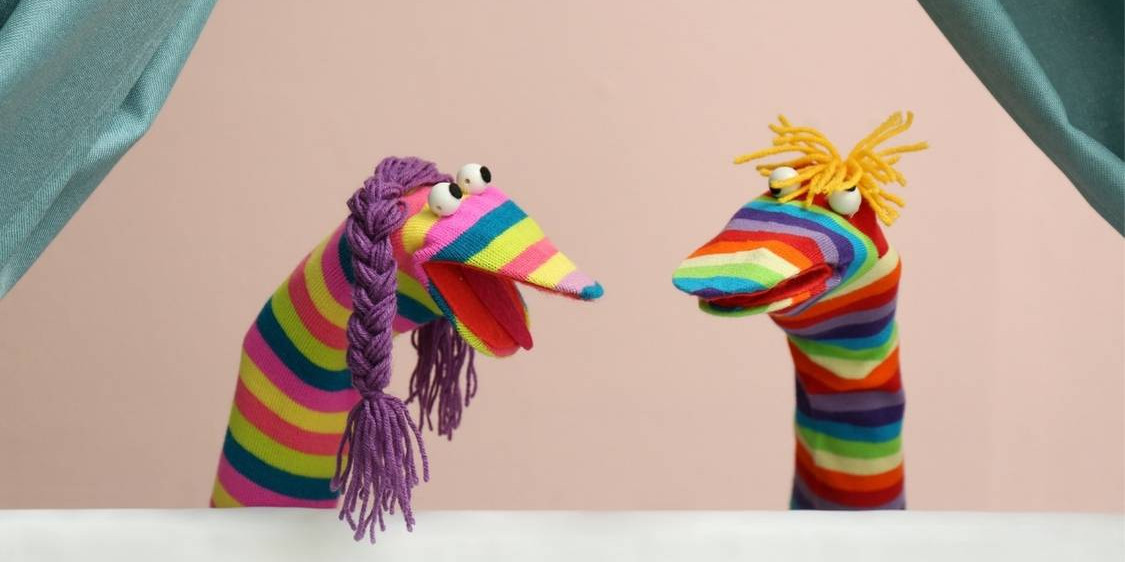
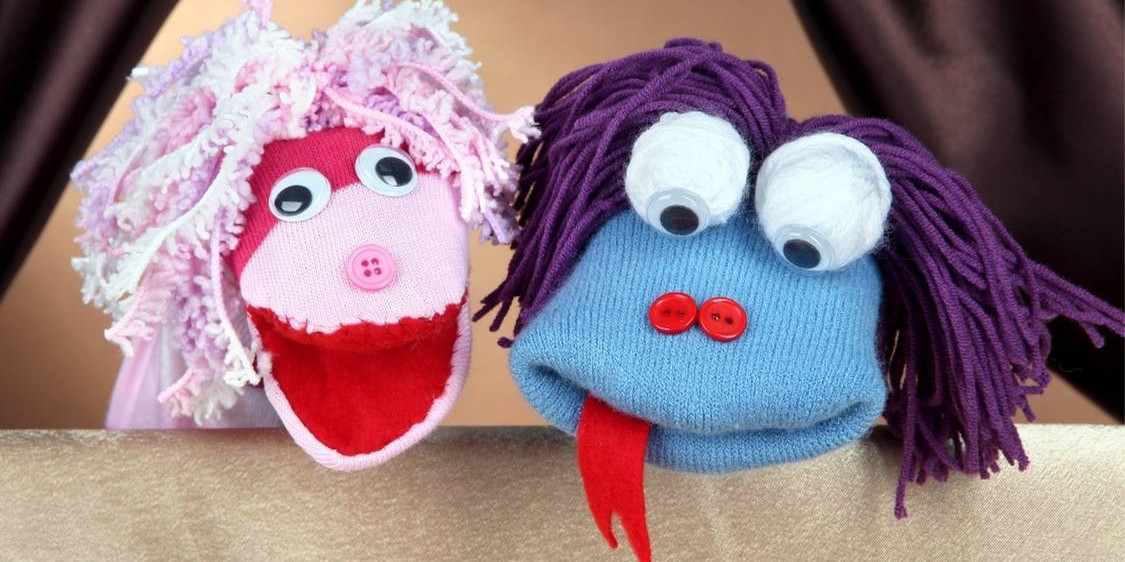
It is perhaps ironic that in an age of artificial intelligence and complex digital tools, the most effective way to revitalize a writing workshop is to return to the simplest forms of imagination. The sock puppet—a humble tool of childhood—becomes a powerful vessel for adult introspection. It reminds us that at the heart of every great work of literature is a spark of play, a willingness to pretend, and the courage to look at the world through someone else’s eyes.
When we look at the writers who have participated in these playful transformations, we see more than just improved manuscripts. We see a sense of joy returning to the craft. The workshop is no longer a place of fear, but a laboratory of possibility. We are learning that the most profound truths are often found not when we are looking inward with agonizing intensity, but when we are looking outward at a puppet on our hand, wondering what it has to say next.
The Future of Creative Tutoring
As we continue to navigate the complexities of modern education, the role of imagination cannot be understated. Tutoring is not just about correcting grammar or teaching structure; it is about nurturing the soul of the storyteller. By integrating playful character work into our sessions, we are giving writers the tools to explore their own depths without the weight of expectation. We are teaching them that writing is a living, breathing act of creation—one that starts with a simple, playful ‘hello.’
In conclusion, the transformation of the modern writing workshop through play is a testament to the enduring power of the human imagination. It challenges us to remember that we are most creative when we are most free. As we move forward, let us hold onto that sense of wonder, and perhaps, keep a sock puppet close at hand—just in case a character has something important to tell us.